
Mercury in the Oil and Gas Industry: A Hidden Hazard
Mercury, though naturally occurring, poses a serious challenge in the oil and gas industry. Found in trace amounts within crude oil, natural gas, and associated condensates, mercury can cause significant operational, environmental, and health-related problems if not properly managed.
Operational Risks
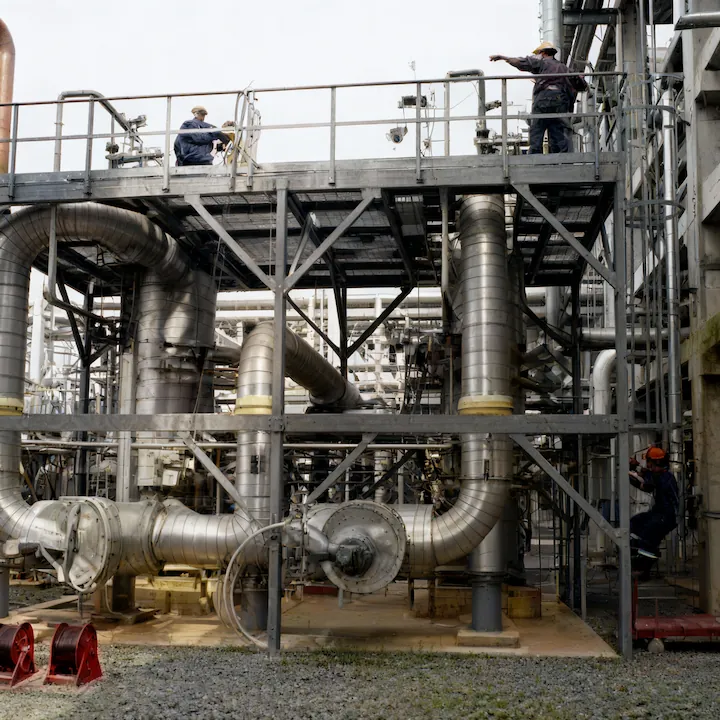
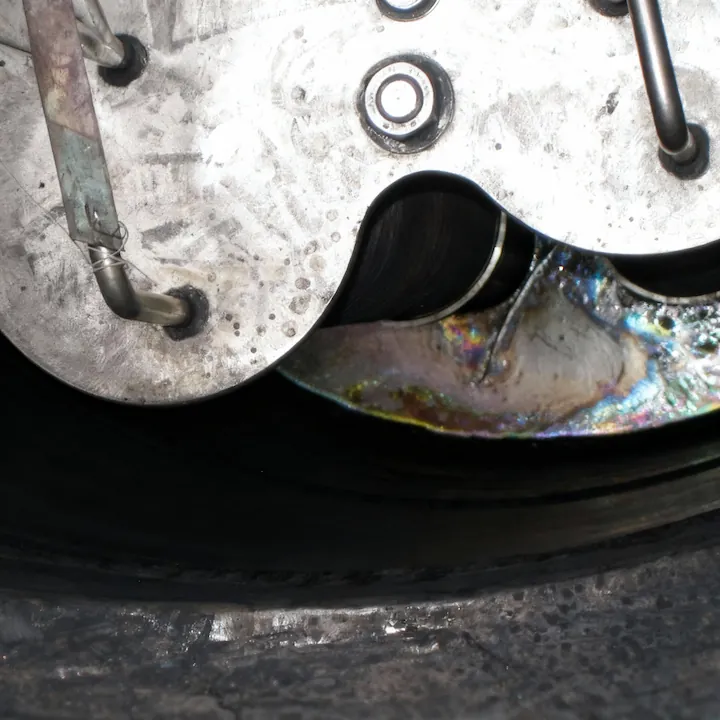
Mercury is highly corrosive to certain metals, especially aluminum. In gas processing and liquefied natural gas (LNG) facilities, mercury can attack aluminum heat exchangers, leading to equipment failure, costly repairs, and unplanned shutdowns. Even minute concentrations can be enough to cause damage over time.
Health and Safety Concerns
Mercury exposure—particularly to its vapor—poses a toxic threat to workers. Chronic exposure can lead to serious neurological and health issues. Safety protocols must be strictly followed to prevent contamination and protect personnel.
Environmental Impact
Improper disposal or accidental release of mercury can contaminate soil and water, harming ecosystems and wildlife. Regulatory bodies worldwide enforce strict mercury emission limits, making proper handling and removal a legal necessity.
Regulatory and Compliance Pressure
Operators are required to monitor and treat mercury levels to comply with international environmental and safety standards. Failure to do so can lead to heavy fines, legal action, and reputational damage.
The Solution
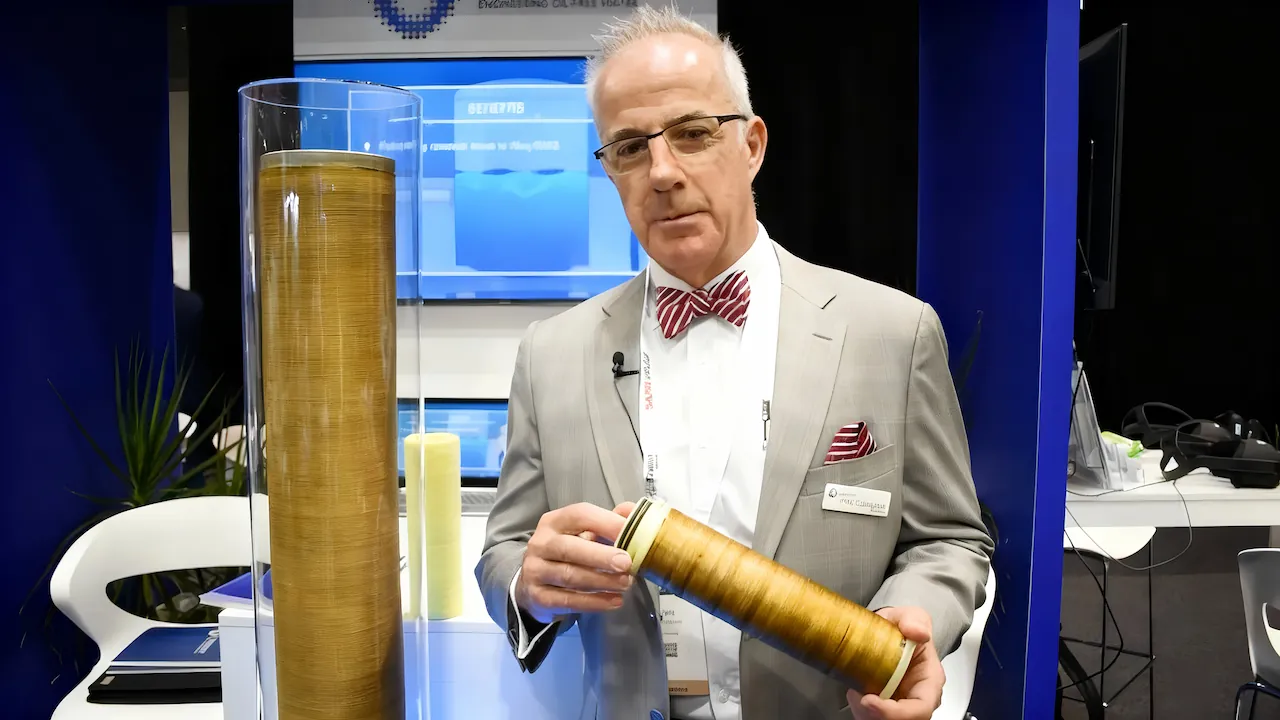
To mitigate mercury-related risks the innovative MERSEP Coalescer to either replace the conventional MRU Systems commonly deployed or placed upstream by replacing the existing condensate coalescer filters with the MERSEP Coalescer.